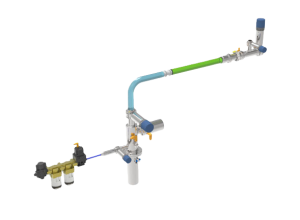
Increasingly prevalent typical clothes washing market, pipeline pigs afford a valuable boon in handling washing powder. This advanced process minimizes spillage of intense compound by utilizing a plug to drive it through the channel – effectively emptying the receptacle. Comprehending the concepts of these mechanisms can yield lower costs and a improved green performance.
Cleaning Pigs Redefine Laundry Chemical Flow
The classic method of dispensing cleaning detergent presents significant challenges, often leading to scrap and deficiency. However, a advanced approach – pigging systems – is dramatically revolutionizing how facilities handle these bulk materials. These systems utilize a bendable "pig," a dense mechanism, to expel the detergent through a pipe, efficiently eliminating interstices and ensuring nearly whole product salvage. Benefits include lower waste, boosted effectiveness, and a smaller environmental repercussion.
- Lessens detergent discard
- Enhances performance output
- Encourages conscientious practices
Enhancing Detergent Movement via Pigging Devices
Improving operation in fabric cleansing facilities often involves addressing issues related to detergent dispersion. Traditional systems frequently experience spillage due to residual detergent clinging to pipes and lines, leading to increased operational budgets. Pigging techniques, originally utilized in the oil industry, provides a compelling resolution to this issue. By sending a “pig”—a specialized mechanism—through the detergent conduits, these systems effectively evict remaining product, maximizing usage and minimizing avoidable material. This ultimately results in a more green and profitable laundry method for establishments.
Improvements of Pushing Systems for Washing Powder Generation
Implementing pigging systems offers important improvements for fabric soap development facilities. These systems efficiently eradicate product residue from pipes, minimizing leftovers and lowering delays during restoration. Consequently, combined capability is elevated, producing decreased budgets and a greener activity. Furthermore, displacement tools contributes to sustaining standard by preventing mixing between lots and ensuring a sterile final creation.
Waste Reduction and Effectiveness Boost: Washing Powder Pigging
Laundry soap product manufacturing can produce significant excess material, but a modern process called “pigging” offers a fix to curtail this problem. This process involves using a soft tool, the "pig," to drive remaining substance from the fabrication lines, often cast off as refuse. By recovering this previously wasted soap product, companies can considerably trim spending and upgrade overall commercial functionality. The environmental virtues are also considerable, as it reduces the volume of scrap sent to disposal sites.
- Lowers Material Expenses
- Boosts Production Effectiveness
- Diminishes Environmental Footprint
Adopting Pigging Technology for Fabric Soap Processes
To maximize performance and lower downtime in your laundry detergent formulation premises, examine integrating a slugging system. This progressive system thoroughly removes lingering material and film from tubes, as a result increasing functionality and cutting refuse. A well-designed displacement system can also amplify the existence of your conduits network, leading to remarkable capital cuts and a more eco-friendly management.
Planet-Friendly Slugging in Detergent Operations
The practice of laundry cleaning agent reclaiming presents a compelling technique towards a superior eco-friendly destination. Historically, pigging system for laundry detergent leftover soap remains in bottles become refuse material, contributing to green strain. However, this fresh method involves collecting these surplus portions and refining them into beneficial deliverables, namely plant food or technical components.
- Lessens waste extent
- Minimizes supply loss
- Offers a regenerative capital structure
Constructing Displacement Mechanisms for Laundry Formulas
The selection of a slugging framework for washing laundry solution applications presents specific complications. Careful review must be given to the texture of the product, which can shift considerably depending on design and temperature. In addition, the severity of certain additives necessitates the choice of hardy cleaner material and correct pipeline building. Efficient displacement obliges a precise weight configuration to ensure utter eradication of residual substance and prevent stoppages or break to the line layout.
Problem Solving and Caring for Detergent Pushing Systems
Regular proactive management and quick fault-finding are crucial for maximizing the reliability of laundry cleaning pigging mechanisms. Usual issues consist of blockages within the tube, cleaning agent buildup limiting flow, and valve breakdowns. Regularly planned inspections, consisting of ocular inspections of hoses, couplings, and the pig itself, are mandatory. Handling these problems expeditiously – often through washing the system or swapping worn elements – can avert costly interruptions and prolong the lifespan of the entire installation.