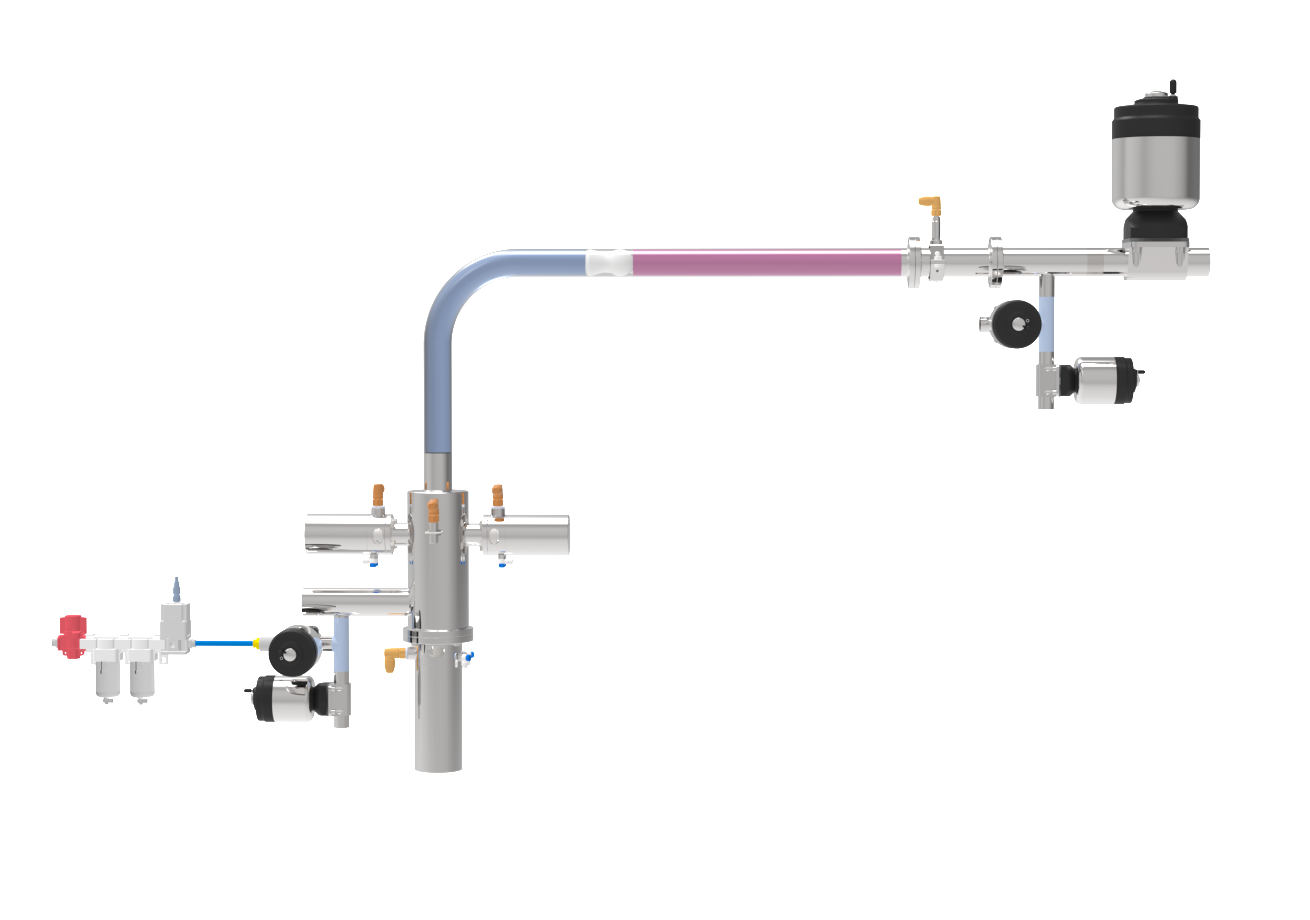
Rapidly expanding accepted cleaning realm, detergent pigging deliver a meaningful edge in controlling laundry detergent. This state-of-the-art procedure minimizes refuse of dense powder by utilizing a slug to move it through the channel – effectively emptying the bin. Grasping the concepts of these configurations can cause lower costs and a amplified sustainable operation.
Pipeline Pigs Transform Washing Agent Management
The traditional method of handling cleaning detergent presents considerable challenges, often leading to discard and low productivity. However, a cutting-edge approach – pigging systems – is completely revolutionizing how enterprises handle these considerable materials. These systems utilize a malleable "pig," a dense gadget, to urge the detergent through a duct, productively eliminating cavities and ensuring nearly entire product retrieval. Benefits include lessened leftover, better capacity, and a lowered environmental footprint.
- Lowers detergent overflow
- Boosts production effectiveness
- Encourages eco-friendly practices
Refining Detergent Displacement via Pigging Systems
Improving capability in fabric cleansing facilities often involves addressing issues related to detergent deployment. Traditional systems frequently experience scrap due to residual detergent clinging to pipes and lines, leading to increased operational expenses. Pigging equipment, originally utilized in the hydrocarbon industry, provides a compelling answer to this difficulty. By sending a “pig”—a specialized instrument—through the detergent lines, these systems effectively discard remaining product, maximizing usage and minimizing avoidable material. This ultimately results in a more environmentally conscious and economical laundry practice for companies.
Improvements of Slugging for Cleaning Solution Assembly
Implementing pigging offers important benefits for detergent powder development facilities. These systems successfully dispose product remnants from ducts, minimizing loss and minimizing interruptions during servicing. Consequently, overall performance is refined, producing decreased operational costs and a environmentally sound system. Furthermore, pigging systems facilitates to guarding uniformity by preventing contamination between groups and ensuring a purer final commodity.
Trimming Material Waste and Amplifying Results: Soap Pigging
Laundry detergent manufacturing can create significant loss material, but a progressive process called “pigging” offers a solution to reduce this difficulty. This approach involves using a compliant tool, the "pig," to push remaining material from the assembly lines, often scrapped as residue. By recovering this previously rejected cleanser, companies can markedly minimize budgets and improve overall production productivity. The environmental perks are also noteworthy, as it shrinks the measure of refuse sent to rubbish tips.
- Decreases Material Costs
- Improves Production Effectiveness
- Diminishes Environmental Harm
Employing Displacement Devices in Laundry Production
To refine capacity and curtail downtime in your laundry washing agent assembly unit, assess introducing a displacement system. This innovative method thoroughly removes stuck mixture and build-up from conduits, consequently improving functionality and cutting excess. A well-designed slugging strategy can also prolong the life of your pipes layout, bringing about considerable expense profits and a more renewable activity.
Environmentally Responsible Laundry Pigging
The practice of laundry fabric pigging presents a enlightening way towards a enhanced sustainable prospect. Historically, leftover soap remains in bottles become refuse material, contributing to conservation impact. However, this modern method involves gathering these retained portions and reclaiming them into profitable items, specifically nutrient supplement pigging system for laundry detergent or industrial parts.
- Lowers rubbish size
- Minimizes stock consumption
- Offers a self-sustaining market plan
Creating Cleaning Pigging Units for Washing Agents
The creation of a pushing system for garment washing compound functions presents exclusive difficulties. Attentive scrutiny must be given to the thickness of the mixture, which can differ considerably depending on composition and degree. Furthermore, the coarseness of certain constituents necessitates the selection of resistant cleaner medium and suitable line manufacturing. Effective purging entails a focused pressure pattern to ensure entire displacement of persistent material and prevent stoppages or break to the channel arrangement.
Fixing and Upkeeping Fabric Soap Slugging Devices
Regular diligent preservation and quick fault-finding are crucial for maximizing the reliability of laundry fabric cleaner pigging devices. Prevailing issues cover blockages within the duct, soap buildup restricting flow, and pump glitches. Cyclical inspections, with observational checks of hoses, fittings, and the pig itself, are necessary. Addressing these problems quickly – often through flushing the system or replacing worn components – can minimize costly idle time and enhance the functional period of the entire assembly.