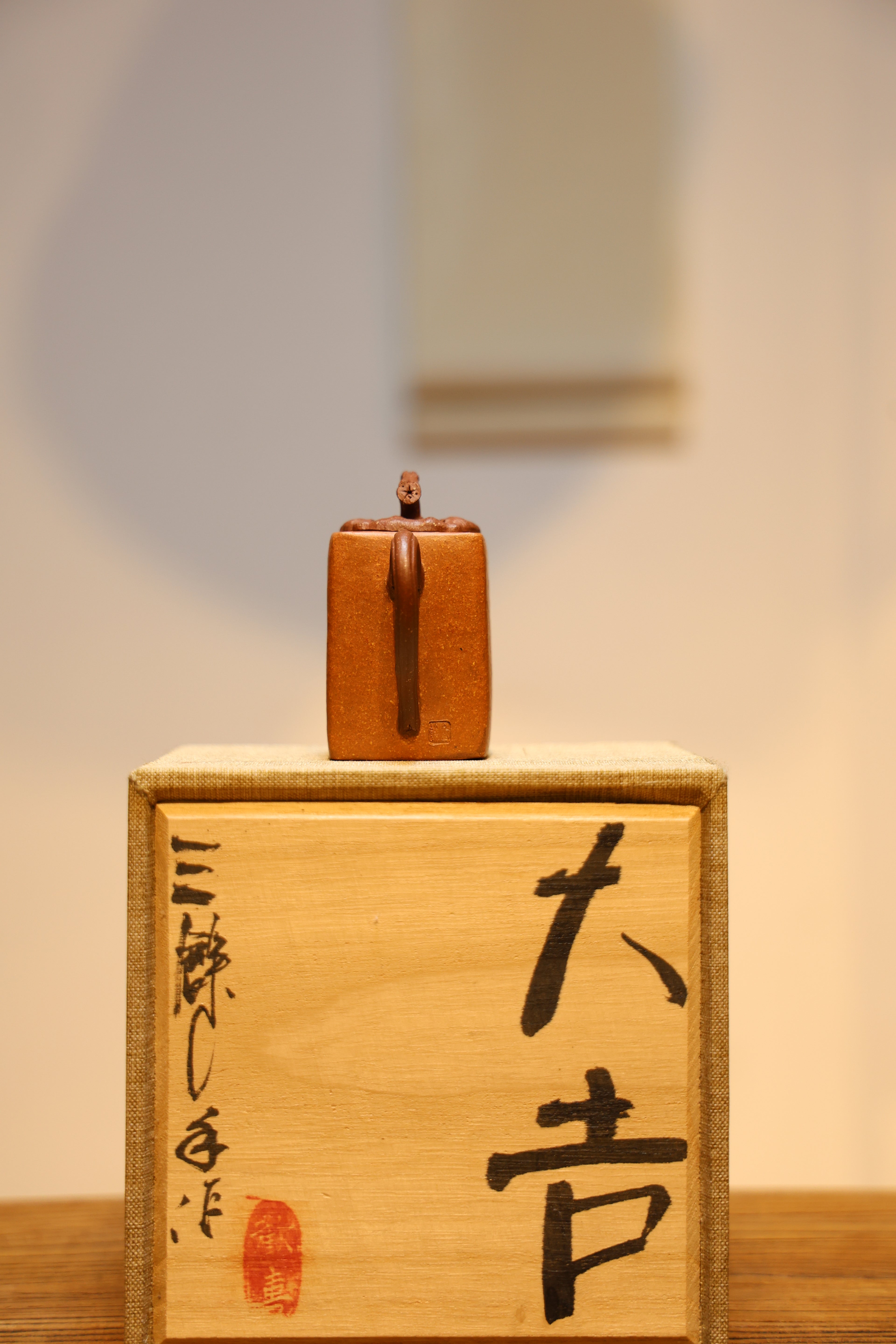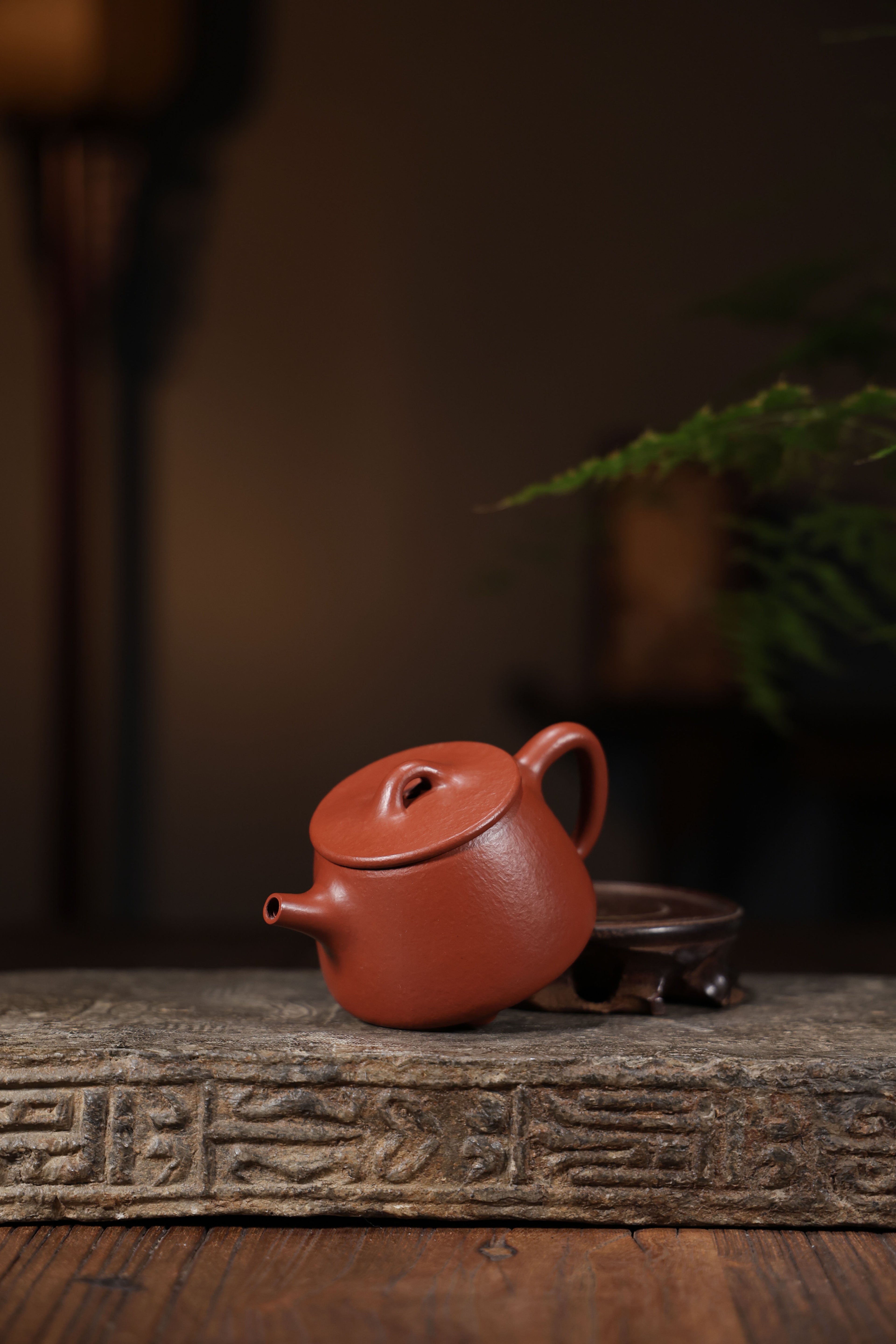
Kicking off such in-depth survey of Ihsing Tz'u Sha ceramic kettles features distinct compelling amalgamation encompassing mastery in conjunction with serviceability.
Issing Tzu-sa ceramic kettles carry this exceptional charm for curators on a global scale. Specific stunning porcelain containers, derived from the particular Yixing locale within Jiangsu region, China, embody more than just tea utensils; they are recognized as works of beauty and historical significance. Distinct finely prepared clay, known as Zisha, imparts a soft flavor within the tea, and the intricate designs, often exemplifying traditional Chinese patterns, increase their essential value. Gaining a genuine Yixing Zisha teapot represents a worthwhile journey, necessitating careful inquiry and an appreciation of the countless factors influencing their exclusivity.
Understanding Yixing Earthenware Pots
Yihsing ceramic containers boast a colorful background deeply interwoven with Chinese traditions. Originating in Yixing, Jiangsu zone, these vessels are crafted from a unique, porous purple dirt found only in that notable location. Their creation began during the Ming epoch, with master creators refining the methods over periods. Diverse types can be seen, including the classic Hexiang (resembling crab shells), Zhuni (red-brown hue), and Duan Ni (stone-studded) – each with distinctive properties. The value of an Yixing vessel isn't solely based on its size or design, but also on the craftsperson’s reputation, the earth's quality, and the vessel’s age and condition. Devotees often seek out older examples, Purple Clay Teapot believing they imbibe the bouquet of the tea brewed within them over time, further adding to their desirability.- Traditional Ceramic Pots
- Mahogany Brewing Vessels
- Duan Ni Teapots
Zisha Teapot Mastery: Creation & Procedures
A manufacture of Zisha teapots represents a summit of Chinese ceramic mastery. Accomplished artisans employ historic techniques, often passed down through descendants, to unlock the full capability of this unique clay. Techniques involve meticulous forming by hand, often combined with the layering method, followed by precise baking at incredibly high temperatures in wood-fired kilns. Decorating is equally crucial; producers utilize authentic clay colors and may incorporate incising work to depict intricate scenes or patterns, demonstrating a profound knowledge of the material’s features and presence. The outcome teapot isn't merely a vessel for tea, but a testament to a significant cultural legacy.
Classical Earthenware: The Overview to Yihsing Tzu Sha
Discovering the world of Chinese teapots routinely initiates with Yixing Zisha. These unique clay ceramics are manufactured from a exclusive type of clay extracted only in the Yixing region of the Jiangsu province. Noted for its unique reddish-purple hue and exceptional aspects, Zisha clay provides a light flavor to the infusion and advances with age, turning into a cherished valued item. Acquiring Yixing Zisha ceramics is more than just holding a elegant object; it’s a honoring of practice and craftsmanship.
Examining the Earthenware: Authenticity & Increase
Starting the realm of Yixing Zisha ware can be both fruitful, but demands a sharp cognition. Authenticity is essential; multiple reproductions are present, regularly craftily forged. Acquiring knowledge about time-honored cooking styles, distinctive mud features, and the labels of distinguished creators is fully imperative. On top of that, understanding the subtleties of the market movement – influenced by aspects such as artistic meaning and the appearance of the item – is essential to profitable acquisition.
- Investigating kiln record.
- Contacting advisors for confirmation.
- Evaluating commerce trends.
An Art of Formulating with a Ceramic Pot
Unique unique allure of a Zisha apparatus lies not just in its elegant appearance, but also in its important impact on the essence of the tea. These old clay earthenware, sourced from specific regions of China, possess a fundamental porosity that softly interacts with the water and leaves, imbuing the libation with a refined character. Mastering the art requires a thoughtful approach, understanding how the earthen material responds to variegated thermal conditions and vegetative types, ultimately leading to a indeed rewarding brewing encounter.
Protecting Own Heirloom
Proper management of your Yixing vessel is crucial to extending its viability. These special teapots, crafted from uncommon Yixing clay, accrue a texture over intervals that increases their merit. Regularly rinse the core with soft water, avoiding chemicals, and never use severe scrubbing tools. Occasional gentle polishing with a smooth cloth can help in clearing discoloration. Allow your carafe to fully dry prior to each infusion
Explaining Yixing: Reasons Such Brewing Vessels Are Distinct
The acclaimed appeal of Yixing teapots arises from the exclusive properties of Stoneware clay, extracted solely near Yixing, the Jiangsu area. This distinct clay, a type of ferruginous terra cotta , boasts a remarkable combination of compounds that, over time, absorb the flavor of the tea it holds. This results in a one-of-a-kind flavor profile for each brewer, ensuring it a price far transcending its beginning price and aiding to their coveted status among aficionados.
Discovering the Ideal Regional Carafe: A Ceramic Handbook
Venturing into the world of Zisha clay teapots can feel overpowering, but understanding the cores is essential to finding a treasured piece. This model of clay, sourced principally from the Yixing locale, the Jiangsu area, is famous for its peculiar grain and ability to enhance the note of the beverage over time. Review the design, the brightness, and the design quality; a genuine Zisha teapot is more than just a urn; it's a masterpiece and a example of eastern culture. Look for the etching of the potter for clues to its source and potential worth.