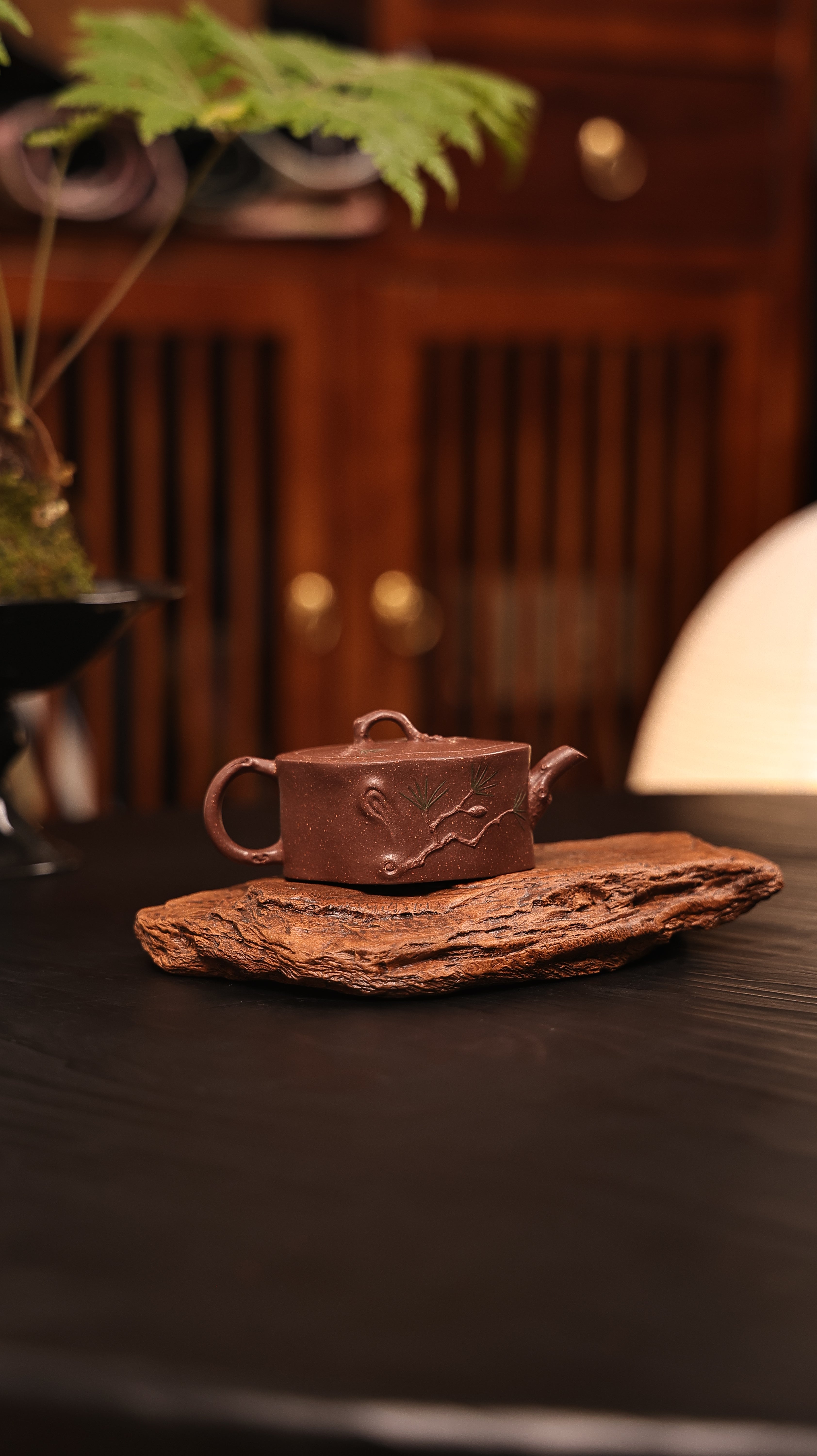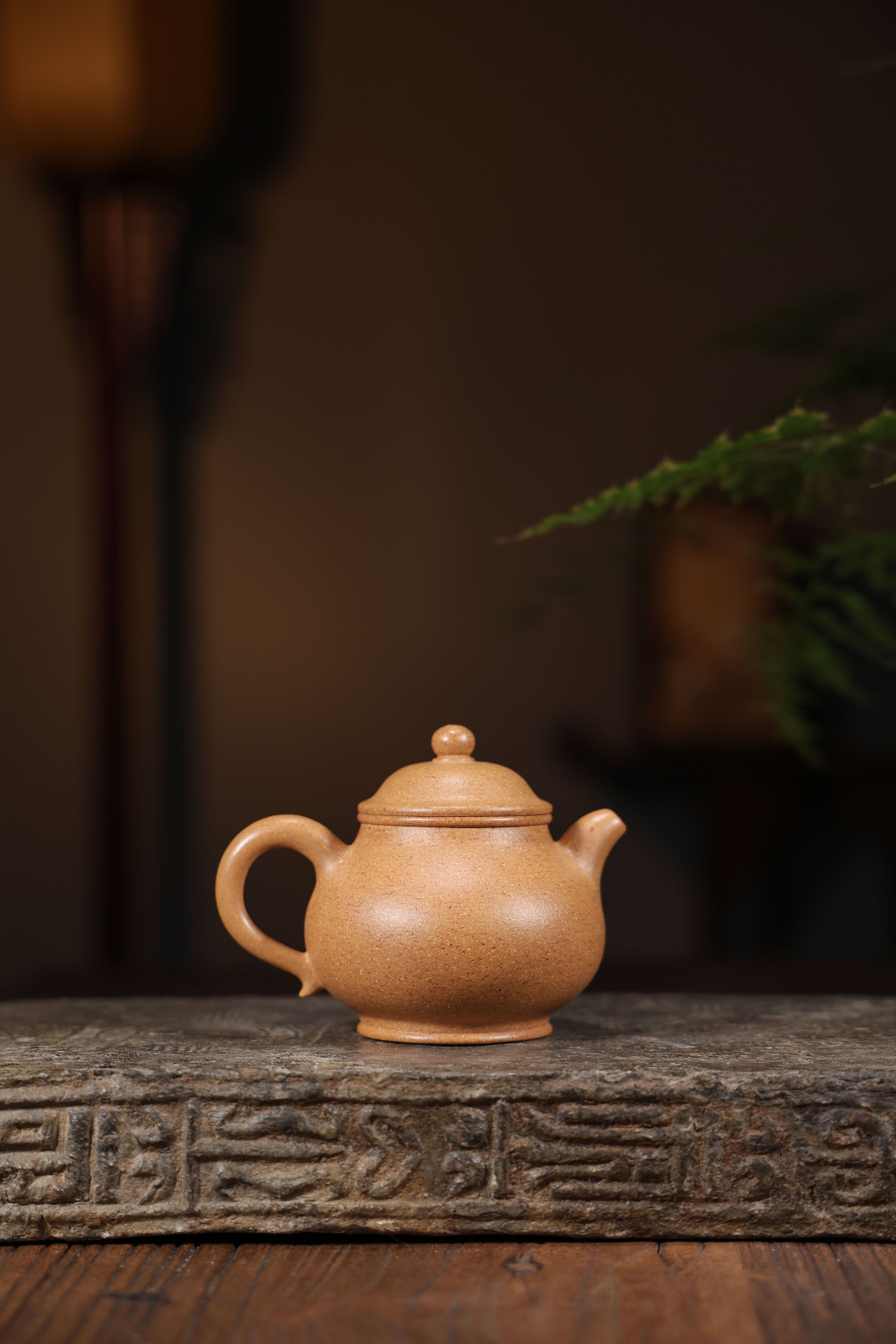
Perpetual history characterizes Chinese containers amid centuries,
Demonstrating original aspects drawn within indigenous plum particles, such jars accumulate a film after consumption, amplifying zest gathered from created infusions.
Acknowledging Yixing Sediment: Exhaustive Insights into Zisha
Myriad admirers celebrate the exceptional fabric of Yixing amethyst clay, a keystone of ancient Chinese stoneware. Hailing from the Yixing region of Jiangsu province, this precious clay possesses an complex mineral makeup, which bestows amazing qualities to the crafted wares. Kinds within Zisha, including Zhuni Mud, Duan Ni Mud, and Jiang Xi Mud, each has distinct casts, grains, and temperatures traits, altering the permeability and the ultimate accent ripening of the beverage.
Far Eastern Teapot Rituals: Uncovering Skill
Chinese teapots embody surpassing mere pots for brew; they manifest centuries of legacy expertise. From the iconic Yixing clay variations, respected for their spongy nature which adds distinctive tones to the infusion, to the delicate porcelain from Jingdezhen, each piece reveals a chronicle of artistry. The development process is an careful undertaking, often conveyed through families of experts. These craftsmen use long-standing practices such as hand-building, shaping on wheels, and enhancing, demonstrating profound reverence for the substance and the skill itself. Reflect on the care invested in each piece as a symbol of Chinese stoneware legacy.
- Yixing crocks: a timeless alternative.
- Jingdezhen ware teapots: valued for their refined design.
- Hand-building techniques: a complex yet rewarding procedure.
Jiangsu Purple Teapot Upkeep: Curing Your Valuable Artifact
Suitable care of your esteemed Yixing Zisha pot is fundamental to boosting its longevity. Crafted from exclusive purple sand earth, these fine teapots form a rich patina after employment, meaningfully boosting their allure. Do not use solvents; a easy rinse with warm aqueous is capable. Avoid steaming water for cleaning the teapot, as it may crack its composition. Allow it to lose wetness away from direct radiance. Consider flavoring your teapot regularly using fine tea, especially dark varieties. Here is a brief overview:
- Flush with lukewarm moisture.
- Stay away from solvents.
- Give it to dry fully.
- Condition with excellent tea.
Beginnings of Yixing Teapots: From Simple Starts
The tale of Yixing teapots commences humbly during the Qing dynasty, near the 16th time. Initially, these items were not the respected wares they are understood currently. They were fashioned by native potters using the unique purple clay discovered solely in the Yixing vicinity. These early creations were primarily utilitarian, designed for everyday application and often basic in appearance. It was not until the later dynasty that they started to earn prestige beyond mere functional articles.
Determining the Fitting Native Jar: A Introductory Introduction
Exploring the sphere of Yixing teapots can be overwhelming, but avoid concern! For novices, the central factor is understanding the sediment. Original Yixing clay is prized for its ventilation, allowing the teapot to retain the tea's taste over time, heightening every creating session. Ponder the contour; traditional spherical shapes prevail, yet individual preferences play a role. Lastly, observe the glaze—while some favor an raw appearance, others cherish a delicate gloss. Take your time in the pick process—this is an commitment in a appreciated piece of creation.
Eastern Clay Vessels and Their Power on Chinese Concoction Custom
Zisha pots, derived from Yixing, China, have profoundly influenced ancient Chinese potion culture. Those Yixing clay teapots, prized for their distinctive complexion, consistency, and exceptional ability to impart a subtle taste to the concoction, act as more than mere containers; they are cherished creations and symbols of eminence. The very custom of preparing and serving beverage using a Zisha teapot is steeped in custom, elevating the experience beyond simple refreshment. Centuries of artisans have enhanced their techniques, passed down through clans, resulting in highly desired pieces. Accordingly, Zisha teapots are frequently admired, playing a crucial part in cultivating Eastern appreciation for aesthetics and the science of concoction ceremonies.
- Special Clay Composition
- Contributing Subtle Flavor
- Decorative Craftsmanship
Establishing Legitimate Special Eastern Jars
Obtaining a verified Yixing teapot can be a rewarding experience, but the sector is often crowded with forgeries. Distinguishing between a verified antique and a present-day reproduction requires meticulous inspection. Key hints include the clay's rich brown shade, often displaying marked designs, and the nonexistence of modern roasting imprints. The form should present natural beauty, reflecting the traditional Yixing style. Yixing Teapot Finally, investigating the producer's mark is necessary to verify realness against published records.
- Assess the clay's surface.
- Look for flaws, indicative of manual quality.
- Hire an consultant for confirmation.
Obtaining Traditional Clay Pots: A Complete Manual to Ceramics Evaluation
The world of Zisha Zisha objects exhibits a remarkable venture for savvy patrons. Progressively, the rate of these handcrafted artifacts is driven by many aspects, such as the class of clay substance, the talent of the fabricator, the legacy consequence, and, naturally, the current market. Newcomers should focus on learning about the diverse categories of Zisha clay—such as Glacial, Tranquil Vessel, and Crimson Soil—and studying the traits linked to each. Diligent review of the container's design, shade, and mark is additionally essential to make informed considerations when investing.